Selling via Amazon FBA in 2026
Here’s how to join the Amazon FBA program in 2026 in 5 easy steps:
Step 1. Register as an FBA Seller
Registering as an FBA seller is an easy and convenient process. The ease of registration is appealing to beginners and experienced sellers alike. You can either use your existing customer account or create a new seller account from scratch.
Amazon generally asks for a few documents to verify your identity and authenticity. As a result, it’s a good idea to keep the following information handy before creating your seller account.
Here are a few things you’ll need to register yourself as a seller:
- Credit card information
- Recent tax invoices
- Working business email address and phone number
- Government ID
- Bank account details (Amazon will send the payments to this account)
Step 2. Product Listing and Labelling
Once your seller account has been set up, the next step is to list all your products. Product listing is one of the most important activities for any Amazon seller. Your sales may skyrocket or plummet, depending on how well your listings are performing in comparison to competitors.
Labeling your products is vital, as it helps Amazon accurately track inventory, a critical factor for fulfillment success. You can label your products yourself or enlist the help of Amazon FBA Label Service.
Step 3. Send the Products to Amazon Warehouses
Once you’ve labeled your products, it’s time to hand them over to Amazon. Contacting Amazon will provide you with all the details about the warehouse where you need to send your products.
Upon receiving them, Amazon will send you a confirmation email and store them in the warehouse until a customer places an order for one of the products. Amazon charges a fixed amount for storing your products in their warehouses.
However, this cost is significantly lower compared to operating a warehouse on your own, especially for small sellers starting out in the Amazon FBA busines. In case of any mishandling or damage to the product while inside the Amazon warehouse, the company will reimburse you for losses.
Step 4. Amazon Ships Your Product
If someone is interested in purchasing your products, Amazon will pick, pack, ship, and track the order for you.
Once a customer places an order for one of your products, Amazon will pick it up from its location, pack, and ship it to the customer. You will instantly receive an alert as soon as the order is received, and you may monitor your product all the way to the customer’s doorstep.
Moreover, if there are any returns and refunds to take care of, Amazon also handles those. You’ll be notified of the same.
Step 5. Rounding Up The Winnings
Amazon deposits the total profit into your registered bank account every two weeks. The profit is calculated based on the items sold during the period. Amazon takes its share of the sales price and deposits the remaining amount in your account.
How to Decide What to Sell on Amazon FBA
Amazon FBA, or Fulfillment by Amazon, launched in 2006 and quickly became a game-changer for both customers and small businesses. For customers, it guarantees fast, reliable shipping and easy returns. For sellers, especially beginners, it provides access to Amazon’s vast fulfillment centers, storage network, and shipping capabilities. Using FBA lets you focus on building your brand, sourcing products, and marketing while Amazon handles logistics.
Choosing the right products to sell on an Amazon FBA business can be tricky. With countless options available, focusing on high-potential items will maximize your success. Start by considering size, weight, price, demand, competition, and supplier reliability.
Small in Size, Small in Weight Saves Money
- Smaller and lighter products reduce fulfillment, storage, packaging, and shipping costs.
- Mid- to large-sized items may seem manageable at first, but as your inventory grows, costs rise and eat into profit margins.
- Compact items are generally smarter for an Amazon business, especially for products with fast turnover.
Affordable Products With Broad Appeal
- Low-cost items move quickly, ensuring inventory turnover and reducing stagnant stock.
- Selecting products that appeal to a wide audience maximizes your potential customer base and revenue.
- High-ticket items can be profitable, but volume and turnover often matter more than individual product price.
Frequently Needed Items Sell in Volume
- Products customers use regularly—personal care items, staples, and essentials—tend to sell consistently.
- High-demand, repeat-use items can allow pre-orders, ensuring steady cash flow.
- Frequent-use items don’t always guarantee high sales volume; for example, razors sell in larger volumes than shaving foam.
Low Competition and Reliable Suppliers
- Selling in niches with limited competition gives you an advantage.
- A reliable supplier who can consistently meet demand is critical, especially during backorders or seasonal spikes.
- Products with seasonal appeal or bundling potential can boost profits and simplify stock clearance.
- Efficient packaging reduces operational costs and improves profitability.
Examples of Products That Sell Well on Amazon FBA
You don’t need to be part of Amazon’s seller program to use FBA; you can enroll separately. Popular categories that meet the criteria above include:
- Decorative jewelry
- Purses and handbags
- Toys and board games
- Outdoor products
- Smartwatches
- Beauty and personal care items
- Fitness equipment
- Travel and lifestyle products
- Baby and maternity products
- Electronics
- DIY kits and novelty items
- Cutlery
- Clothing, footwear, and fashion accessories
- Office supplies
How to Find Products to Sell
If you don’t already have a supplier, certain platforms provide options for both branded and white-labeled products:
FBA removes much of the operational workload, letting you focus on creating your brand, marketing, and growing your Amazon business without sacrificing fulfillment quality.
Amazon FBA Costs in 2025
Amazon FBA fees cover:
- Referral fees: 5–15% per sale depending on category
- Fulfillment fees: picking, packing, and shipping based on weight and size
- Inventory storage fees: monthly, with higher rates for long-term storage over 365 days
- Optional fees: removal, preparation and packaging, return processing, export, and refund administration
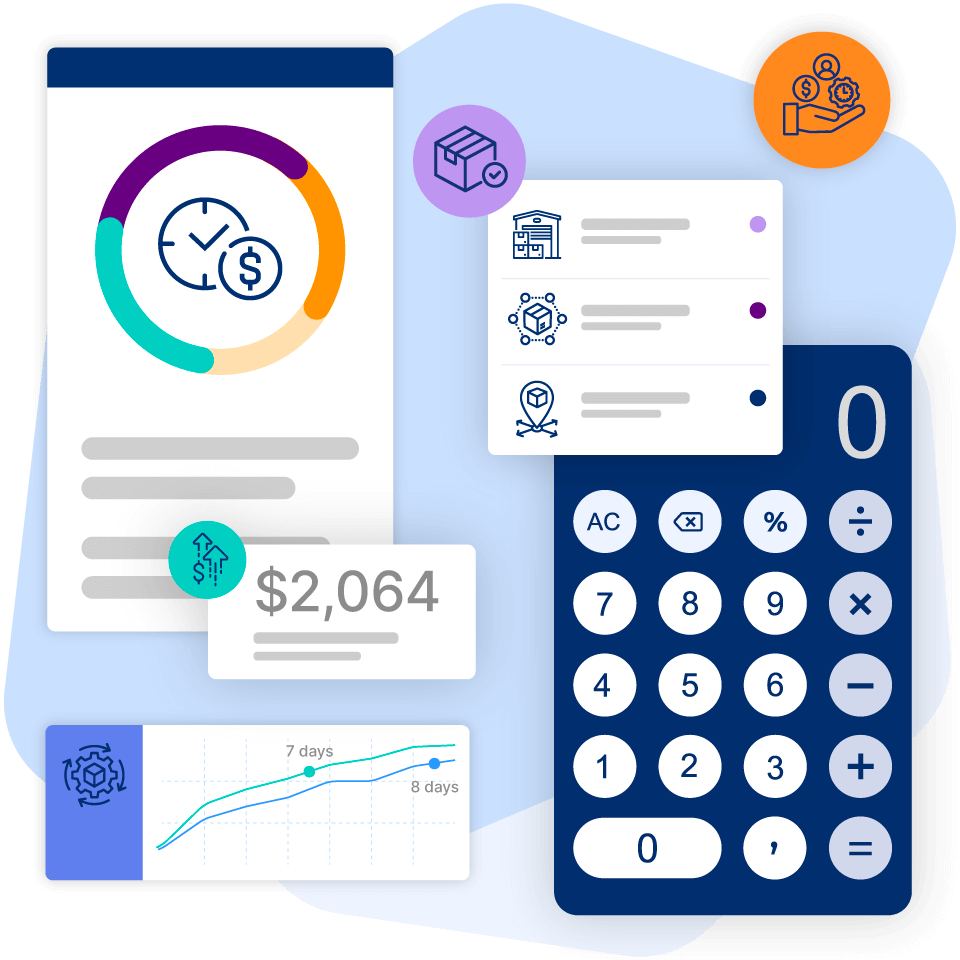
Using the Amazon Revenue Calculator helps determine whether FBA or Fulfillment by Merchant (FBM) is better for each product. For example, selling a $15.99 stainless steel water bottle with a $10 manufacturing cost and $3.99 Amazon fee:
- FBM fulfillment might cost $6, resulting in a $3 loss
- FBA fulfillment might cost $1.99, generating a $1 profit
FBA generally works best for small, fast-moving items, while FBM may suit large or slow-moving products.
Pros and Cons of Amazon FBA
Advantages:
- Allows smooth scaling with Amazon handling warehousing, shipping, and customer service
- Lower shipping rates for small items
- Multi-channel fulfillment across platforms like eBay or BigCommerce
- Prime eligibility and access to the Buy Box
Disadvantages:
- Higher fees for low-cost products
- Limited branding opportunities
- Restricted inventory access
- Long-term storage fees
Content Marketing and Amazon Ads
- Optimized product listings attract organic traffic, answer customer questions, and improve conversions
- Creating buyer personas helps tailor content to specific customer demographics, preferences, and needs
- Amazon Ads expand visibility across search results, product listings, and third-party sites, allowing you to set daily or monthly budgets for targeted campaigns
Understanding FBA, FBM, and Dropshipping
- FBA stores and ships your products through Amazon, reducing operational workload
- FBM requires you to manage storage, shipping, and customer service
- Dropshipping acts as an intermediary between supplier and customer with less control over fulfillment
- Many sellers use a hybrid approach, leveraging FBA for lightweight, fast-selling products and FBM for heavy or customized items
Maximizing Profits With FBA
- Choose small, affordable, high-demand items with reliable suppliers
- Use Amazon FBA for quick-turnover products and FBM for bulky or slow-moving items
- Invest in content marketing, Amazon Ads, and analytics tools to optimize sales
- Monitor fees with the Amazon Revenue Calculator and adjust your strategy accordingly
- Leveraging FBA allows beginners and experienced sellers alike to expand their Amazon business, capture new markets, and focus on brand growth without being burdened by logistics
Success on Amazon FBA starts with making informed decisions about what to sell and how to sell it. By focusing on compact, affordable, high-demand products with reliable suppliers, sellers can take full advantage of Amazon’s fulfillment network while minimizing operational headaches. Using a combination of FBA and FBM strategically ensures that you can handle both fast-moving items and larger, slower-selling products efficiently, optimizing both cost and profit.
Building a sustainable Amazon business also requires attention to marketing, customer engagement, and data-driven decision-making. Optimized listings, targeted ads, and clear buyer personas help attract the right customers and improve conversions, while careful monitoring of fees and fulfillment options ensures long-term profitability. With thoughtful product selection, smart fulfillment strategies, and consistent marketing efforts, both beginners and seasoned Amazon sellers can grow a successful business and achieve sustainable results.